
Multilingual Desktop Publishing (DTP)
Translated documents perfectly formatted in every language
Translation changes more than the words. Text can expand or shrink, different scripts need different fonts, and some languages read right to left. Multilingual DTP is the formatting step that adapts the original layout to the translated content, so your brochures, manuals, reports and other designed documents look right and are ready to print or publish.
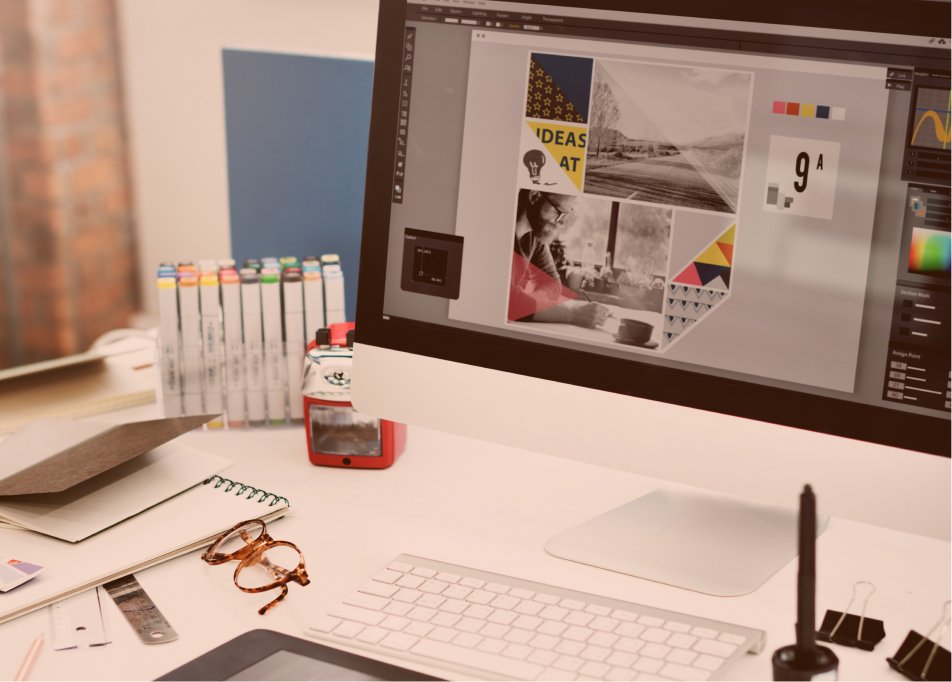

Preventing layout problems before they reach your audience
A translated document should look as polished as the original. Multilingual DTP does just that. Without it, text can overflow, images and captions can shift, fonts may not support the target script, and carefully designed pages can become difficult to read or unusable for print.
You need it whenever translated content has to keep its visual structure as well as its meaning. That includes manuals, brochures, catalogs, packaging, presentations and other materials that will be printed, published or shared in multiple languages.
The benefit is simple: every language version remains clear, usable and professionally presented, so your audience receives the same quality of document regardless of the language they read.
What is multilingual DTP
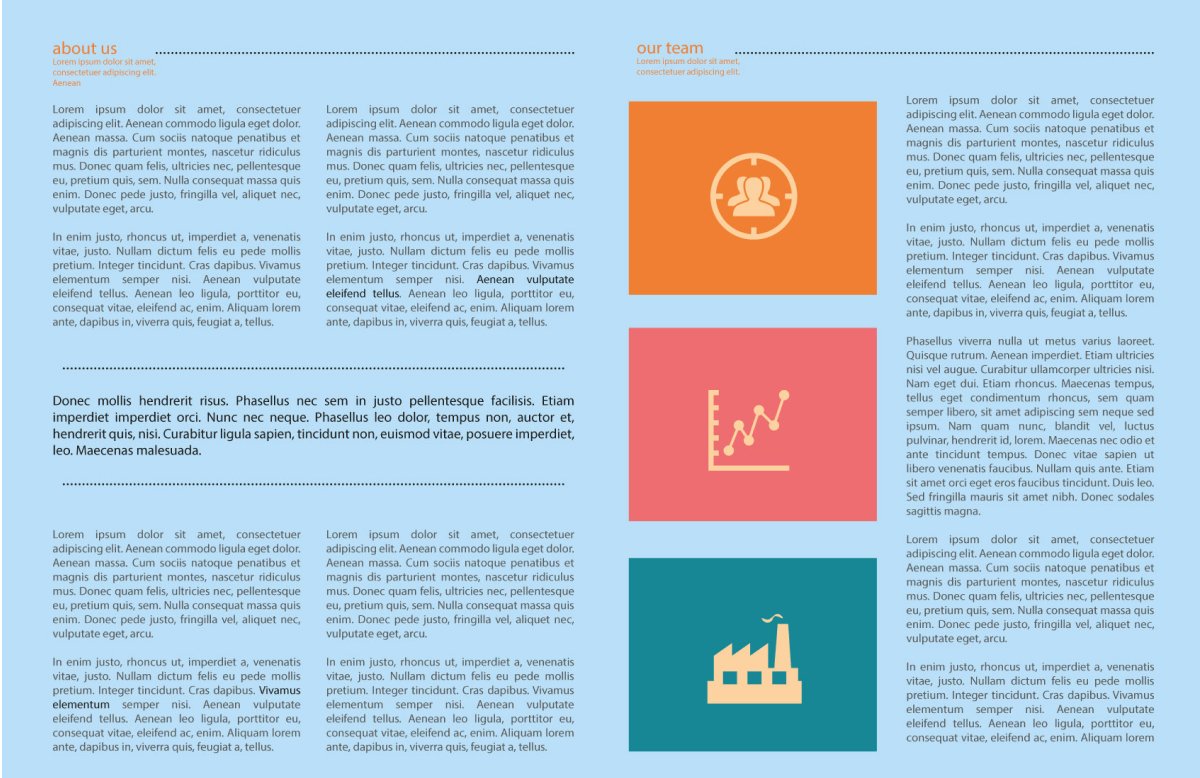
Multilingual desktop publishing (DTP) is the formatting and layout work that adapts a translated document for each target language, including its fonts, spacing, text flow, images and page design.
Take a brochure designed in English. Once translated into Greek, the text may take up considerably more space and no longer fit inside the original text boxes. An Arabic version introduces another challenge: the content needs to flow from right to left and the entire layout may need to adapt with it.
That is where DTP comes in. Translation gives you the words. Multilingual DTP turns them into the finished document.
One workflow from translation to final layout
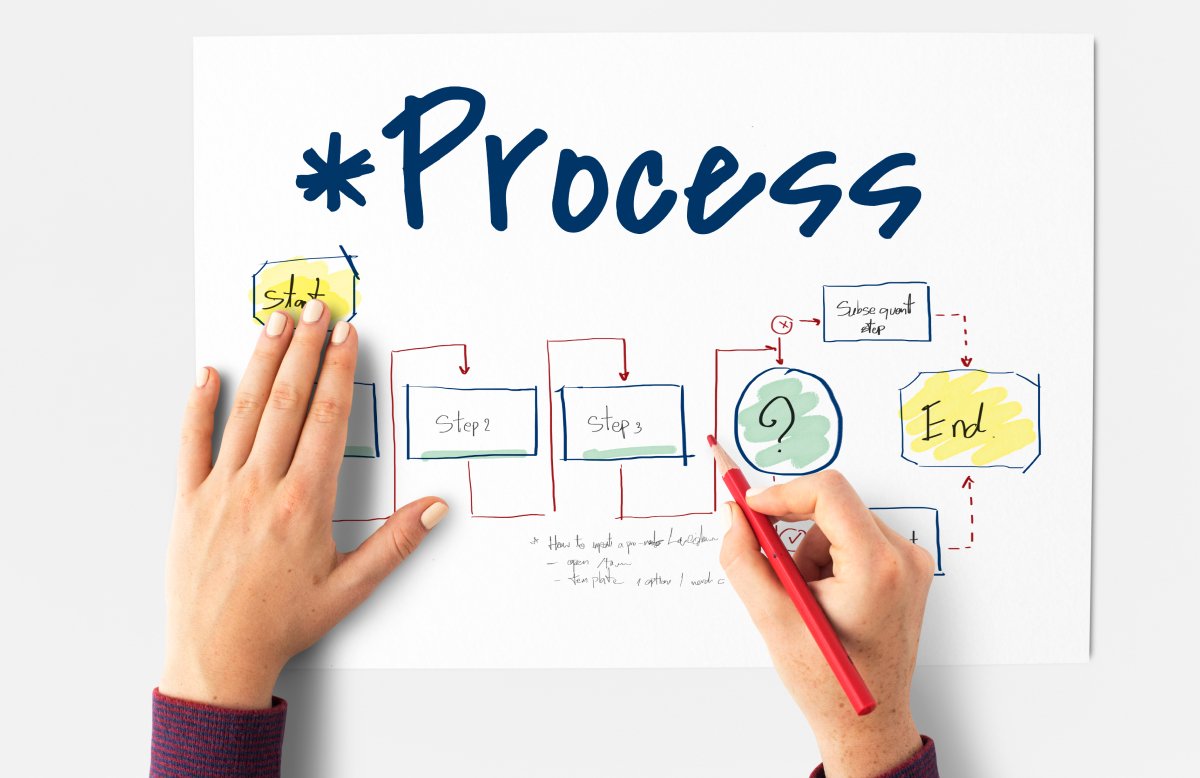
Multilingual DTP is often the final stage of a translation project. First, your content is translated. Then, the translated text is placed back into the design and the layout is adapted to the target language.
By managing translation and DTP within the same workflow, we keep the language and the finished document connected. There is no need to hand translated files over to a separate design team and explain the project again.
We work with different file formats and DTP tools, adapting the process to the files and systems you already use.
For multilingual projects with recurring documentation, we can also work with translation memories and terminology resources to keep language consistent from one document or version to the next.
Certified quality, complete confidentiality
Rest assured that quality, accuracy and confidentiality are always at the core of what we do.
ISO 17100 certified
We’ve been certified since 2021, which means our translation processes, linguist qualifications and quality assurance workflows meet strict international standards.
Professional indemnity coverage
Being one of the few language service providers (LSPs) to provide indemnity cover, we give you an added layer of security.
NDAs
Every linguist and associate we work with signs a strict non-disclosure agreement (NDA), ensuring your content stays confidential at every stage of the process.
Tailored to your business needs
We work with a wide range of source and output files, including:
- Adobe InDesign
- Adobe Illustrator
- FrameMaker
- Microsoft Word
- Microsoft PowerPoint
Other formats are available upon request.
Our multilingual DTP services can support:
- Technical and product manuals
- Brochures and catalogs
- Reports and corporate publications
- Datasheets and product documentation
- Packaging and labels
- Presentations
- Marketing materials

We adapt layouts for different writing systems and language-specific requirements, including:
- Latin scripts
- Greek
- Cyrillic
- Arabic and Hebrew right-to-left layouts
- CJK scripts
Have you got questions?
Find the answers you need about multilingual DTP.
Do I need DTP or is translation enough?
Translation is enough when you only need the translated words, i.e. as plain text or content that will be placed into another system later.
You need multilingual DTP when the translated content must retain a designed layout and be delivered as a finished brochure, manual, report, catalog, presentation or other publication.
In short: translation gives you the content; DTP gives you the finished document.
Isn’t my translated document already formatted?
Not necessarily. Translation tools can preserve parts of the original formatting, but the new language may take up more or less space.
Multilingual DTP adapts the layout after translation, so the finished document looks intentional rather than simply fitted back into the original design.
What does “print-ready” mean?
A print-ready file is a finished document prepared in the correct layout and format for professional printing.
For multilingual content, this means the translated text, fonts, images, spacing and page layout have all been adapted to the target language before the file goes to print.
Other ways we help you

Translation
Tailored solutions built for a multilingual world.
Manufacturing & Engineering
Consistent terminology for large-scale projects.

Healthcare & Medical
Accuracy where patient safety is paramount.
Trusted by







Let’s work together
We are here to help you enhance your communication strategy and take your message further.