
Automotive translation services
Preserving technical accuracy across automotive content
An error in a repair instruction, warning or vehicle interface is more than a language issue. It can become a safety and liability risk. In the past 20+ years, we’ve provided ISO 17100-certified automotive translation services for the automotive sector, working with vehicle and commercial-vehicle brands including Volkswagen and MAN.
Why automotive content is different
Technical errors can have physical consequences
Service manuals, diagnostic procedures and safety warnings tell technicians and drivers exactly what to do.
A mistranslated instruction, measurement or technical term can lead to the wrong procedure or an incorrect use of a vehicle system. That is why automotive technical translation requires linguists who understand both the terminology and the technical context behind it.
Consistency has to survive scale
One vehicle range can generate thousands of repeated terms across models, components, manuals and model years.
Translation memories and termbases help keep automotive terminology consistent across that content and across every target language. For high-volume documentation, terminology management is part of quality control, not an optional extra.
A vehicle is also a digital product
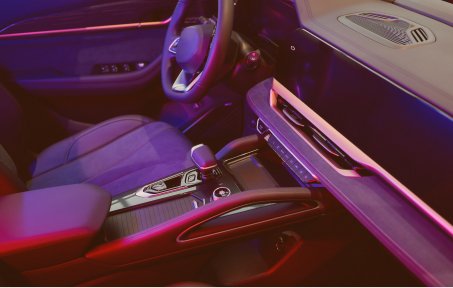
Automotive content no longer stops at the manual. Infotainment systems, HMIs, dashboards and companion apps all need to work naturally in the target language.
At the same time, type-approval, homologation and other regulatory documentation needs to reflect the requirements of the market where the vehicle or component will be introduced.
Automotive content we translate
A workflow built for automotive content
Automotive projects combine technical depth with large volumes of recurring content. We assign sector-specific linguists supported by experienced project managers and workflows designed around the content, formats and systems you already use.
Our CAT-agnostic approach allows us to work with existing translation memories and terminology resources rather than forcing projects into a specific tool. For high-volume automotive technical translation, we use translation memories and termbases to reuse approved language and maintain consistency across models, versions and documentation sets.
Where appropriate, AI-supported translation can also form part of the workflow, followed by verification and refinement by expert linguists.
The same technical-documentation discipline also runs through our work with manufacturing and engineering clients, where complex machinery and component terminology create many of the same challenges.
Certified quality, complete confidentiality
Rest assured that quality, accuracy and confidentiality are always at the core of what we do:
ISO 17100 certified
We’ve been certified since 2021, which means our translation processes, linguist qualifications and quality assurance workflows meet strict international standards.
Professional indemnity coverage
Being one of the few language service providers (LSPs) to provide indemnity cover, we give you an added layer of security.
NDAs
Every linguist and associate we work with signs a strict non-disclosure agreement (NDA), ensuring your content stays confidential at every stage of the process.
Trusted by

Have you got questions?
Find the answers you need about automotive content.
How much does automotive translation cost?
The cost depends on word count, language combinations, file formats, technical complexity, number of target languages and deadline.
For recurring or high-volume automotive documentation, existing translation memories and terminology resources can also affect the project scope.
Do you translate technical and safety documentation?
Yes. We translate service and repair manuals, workshop documentation, warnings, diagnostic procedures and other technical automotive content.
We assign linguists with relevant technical expertise and use terminology resources to maintain accuracy and consistency across related documentation.
How do I choose a reliable automotive translation service?
Look for a provider with proven automotive and technical expertise, qualified sector-specialist linguists and a structured quality process such as ISO 17100.
It is also worth checking how the provider manages terminology, confidentiality and high-volume documentation, whether professional indemnity coverage is in place, and whether they can demonstrate relevant experience with automotive clients.
Can you localize in-car software and infotainment?
Yes. Our automotive software localization covers HMI and UI strings, infotainment content, dashboards and connected-vehicle applications.
We take both terminology and interface context into account so the localized content remains clear within the digital product.
How do you keep terminology consistent across manuals and product versions?
We use translation memories and dedicated termbases to store approved terminology and reuse validated translations across manuals, models and versions.
This helps ensure that components, vehicle functions and technical procedures are described consistently wherever they appear. For larger projects, dedicated terminology management can provide additional control across languages and product lines.
Is machine translation good enough for automotive documentation?
Machine translation can be effective for high-volume automotive content, especially when combined with human post-editing and established terminology resources.
For safety-critical content, such as warnings, repair procedures or diagnostic instructions, specialist human review is essential. We adapt the workflow to the risk level of the material, using automation where it adds efficiency without compromising technical accuracy.
Other ways we help you

Technical translation
Tailored solutions built for a multilingual world.

Software localization
Software that feels native everywhere it lands.
Terminology management
Consistent language across all your content.
Let’s work together
We are here to help you enhance your communication strategy and take your message further.