
Medical translation services
Reducing risk across healthcare and medical content
When it comes to medical content, translation accuracy is not a formality. It can directly affect patient safety. In the past 20+ years, we’ve provided ISO 17100-certified medical translation services for device manufacturers such as GE Healthcare, Terumo and Bausch+Strobel, as well as healthcare providers including IASO and the Athens Medical Group.

Why medical content is different
Market access depends on the right language
EU MDR 2017/745 and IVDR 2017/746 set specific language requirements for the information that accompanies medical and in vitro diagnostic devices.
Instructions for use, labeling and safety information must be available in the language or languages required by the Member State where the device is made available. An incomplete or inaccurate language version can become a regulatory issue before the product reaches the people who need it.
Some terms leave no room for ambiguity
Dosages, contraindications, warnings and operating instructions need to mean exactly the same thing in every language.
A mistranslated medical term is more than a typo. It can change how a drug is taken, how a device is operated or how a risk is understood. That is why we work with medical linguists and use terminology management for clinical content to keep critical terms accurate and consistent across documents.
Confidential information needs to stay confidential
Clinical documentation and patient-related content can contain sensitive information that needs to be handled based on GDPR.
That’s why we have strict NDAs in place with every linguist and associate we work with. Confidentiality is built into our workflow from the moment we receive your files through to final delivery.
Medical content we translate
A workflow built for medical content
Medical translation starts with the right expertise. We assign sector-specific linguists and support them with experienced project management, terminology resources and quality assurance.
Our workflow is CAT-agnostic, so we can adapt to the tools, file formats and systems you already use. We also work with Translate5 and, where appropriate for the content and project requirements, AI-supported translation followed by human verification.
For complex product documentation, our technical translation services support high-volume, structured content without sacrificing terminology control. The same documentation discipline is also central to the work we do for manufacturing and engineering clients.
Certified quality, complete confidentiality
Rest assured that quality, accuracy and confidentiality are always at the core of what we do. For medical projects, terminology QA helps us keep clinical, technical and device terminology consistent across files, languages and product versions.
ISO 17100 certified
We’ve been certified since 2021, which means our translation processes, linguist qualifications and quality assurance workflows meet strict international standards.
Professional indemnity coverage
Being one of the few language service providers (LSPs) to provide indemnity cover, we give you an added layer of security.
NDAs
Every linguist and associate we work with signs a strict non-disclosure agreement (NDA), ensuring your content stays confidential at every stage of the process.
Trusted by
Have you got questions?
Find the answers you need about healthcare and medical content.
How much does medical translation cost?
Medical translation pricing is project-specific. Cost depends on factors such as word count, language combinations, document type, regulatory scope, file format, quality assurance requirements and deadline.
We review these requirements before quoting so the cost reflects the actual scope and complexity of the project.
Do you translate documentation required under EU MDR?
Yes. We translate instructions for use, device labeling, safety information and other medical device documentation covered by EU MDR 2017/745 and IVDR 2017/746.
The required target languages depend on the language requirements of each Member State where the device is made available.
How do you protect confidential clinical content?
Every linguist and associate we work with signs a strict NDA. We handle confidential clinical and medical content through controlled workflows designed to protect information throughout the translation process, in line with GDPR.
What is the typical turnaround for medical documents?
Turnaround depends on the word count, language combinations, medical complexity, file format, quality assurance requirements and number of target languages.
We assess the material before the project starts and set a delivery schedule that allows the required translation and quality assurance steps to be completed properly.
Can AI handle medical translation?
AI can support medical translation, but it should not be relied on alone for content where accuracy can affect patient safety or regulatory outcomes. Medical terminology, context and potential ambiguity require specialist human judgment and clear accountability.
Where appropriate, we use AI-supported translation as part of our workflow, with every output verified by specialist medical linguists before delivery.
What is the difference between a medical interpreter and a medical translator?
A medical translator works with written content, such as instructions for use, clinical documents, medical reports and patient information. A medical interpreter works with spoken or signed communication, for example during consultations, appointments or other interactions between healthcare professionals and patients.
Both medical translation and medical interpreting require strong language skills and medical knowledge, but they work in different formats and require different specialist skills.
Other ways we help you

Technical translation
Tailored solutions built for a multilingual world.

Software localization
Software that feels native everywhere it lands.
Terminology management
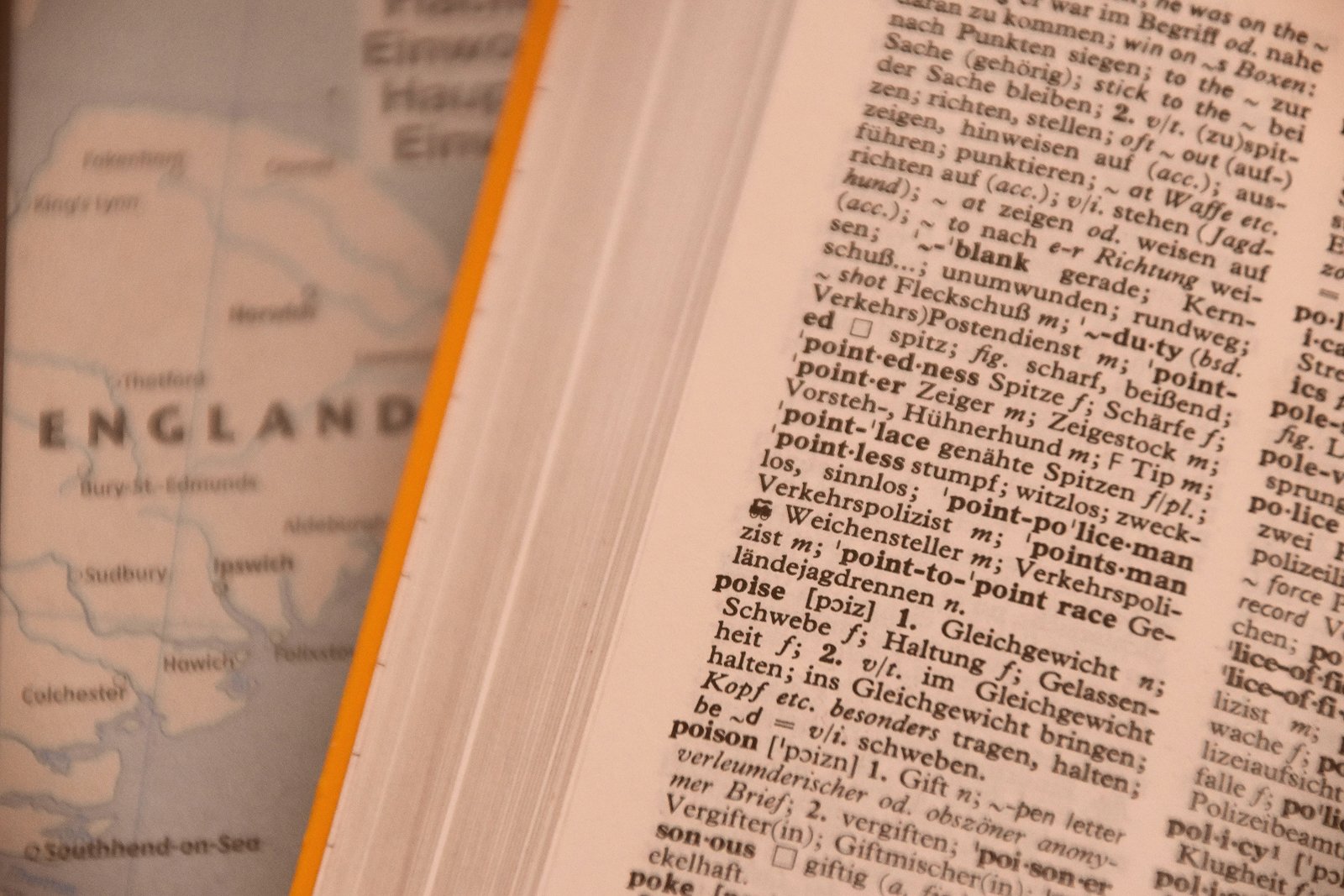
Consistent language across all your content.
Let’s work together
We are here to help you enhance your communication strategy and take your message further.